
Chapter Break: This post is on why Victorians had mourning etiquette in the first place, which is something I rarely see in other articles. Other posts usually focus on the etiquette itself. This is about where it came from and why it was so popular. No, it's not just Queen Victoria. That was actually only a small factor.
Psychotic State: This post is about the etiquette itself, but with more emphasis on the aspects that you don't read about as often, so there is less info on Memento Mori and Hair Jewelry but more history on other traditions and mentalities. I put the lesser known facts in Bold because I couldn't separate them from the well known facts that usually get a lot of attention. The items in bold are the details that often times get left out.
BTW, these posts were inspired by and elaborated from my very popular post from a year or so ago called Why Victorians were Obsessed with Death. So if you liked that, you should really enjoy these.
Don't forget it's all a part of my Halloween Celebration which includes the Giveaway ending Oct. 31, 2013 and my Gothic Victorian novel A White Room on sale for 0.99 cents until Oct. 31, 2013.
First a little teaser from Chapter Break then one from Psychotic State. You'll have to visit those blogs for the full shebang! Don't forget to comment or ask questions if there's something you'd like to have a little more elaboration on! and Enjoy!
Halloween History: Little Known Reasons Why Victorians Had Mourning Etiquette
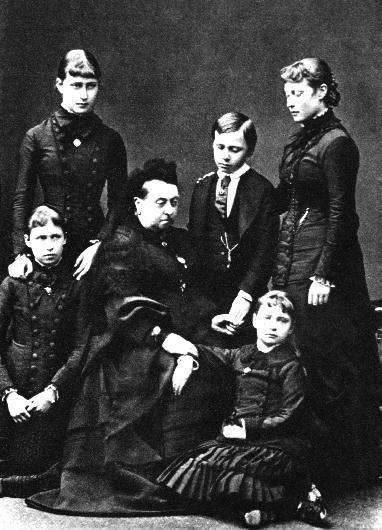 The Victorian Gothic is a common theme during Halloween because 19thcentury society was obsessed with death. In the late 1800s and early 1900s, people had dramatic displays and etiquette to respond to a death in what is often called the Victorian Cult of the Dead. This culture and etiquette included black clothing, photos of the deceased, hair jewelry, séances, and preventative measures in case someone was buried alive! Much of this etiquette is described in detail all over the internet, so today I want to focus more on why the Victorians developed this culture.
Fashion
The United Kingdom monarch, Queen Victoria, sparked the creation of mourning culture after her beloved husband Prince Albert died at the age of 42 in 1861. For the next 40 years, the queen wore black and froze her house in time, having servants continue to lay out her husband’s clothing daily. Just as fashion from Paris is in vogue in America, so too was a queen’s mourning practices, which became the popular etiquette all over the world.
Economics
The more elaborate each step of the funeral and burial, the more it showed the family loved and adored the deceased, so people were encouraged to purchase the most expensive coffins, elaborate head stones, mausoleums, and family plots, in addition to flowers, special clothing, and memorabilia including post mortem photography known as Memento Moriand specially made hair jewelry with locks of hair from the dead.
The funeral business was a huge industry. Many historians believe much of the encouragement to mourn excessively came from the industry’s desire to make money off of the grieving. These historians believe the industry found ways to guilt people into the expensive practices. However, other historians argue that the crossover of mourning to different cultural signposts, such as literature, suggests the practice went deeper than aneconomic and fashionable trend.
Psychology: Coping with Death
Without modern medicine, the average lifespan was much shorter than it is today, and hospitals could be dangerous due to a lack of knowledge about infection. Thus, people died regularly and died in the home where loved ones witnessed ...
This is where it really gets good so go read the rest of the post on Chapter Break!
Victorian Gothic: Victorian Mourning Etiquette and Mentality with a Focus on the Lesser Known Aspects!
Victorian mourning etiquette consisted of a large set of traditions and expectations that were considered an appropriate way to mourn a death; however, behind the outward expressions of mourning, there were anxieties and struggles going on in the deeper psychology of the Victorian society. Victorian Mourning customs are all over the internet, but this article includes little known facts that have been bolded for your convenience.
It’s important to keep in mind that the stages of mourning were different depending on the specific point in the century. Further, Victorian mourning could vary quite a lot from Europe to America and even from one coast to the other. Mourning traditions grew popular out of the United Kingdom after Queen Victoriawent into deep mourning when her beloved husband, Prince Albert, died in 1861 at the age of 42. Some customs were less strict or elaborate once they reached America. However, there were some overall traditions that remained relatively the same.
The Death
Death was common during the Victorian Era. A large percentage of babies and children died as well as adults. It was a frightening thing as new discoveries about human death spurred more questions than answers. It wasn’t clear if death occurred due the heart stopping or the brain dying and why these things occurred at all. This uncertainty led to a fear that people could be buried or dissected alive.
 It also led to fears regarding what it meant about the soul if brain death was the ultimate cause of death. People believed the soul resided within the heart or chest cavity, so it made sense that the heart stopping signaled death as this would mean the release of the soul, but if it was the brain, then what did that mean about the soul? Various advancements in knowledge and technology ultimately created fears over the existence of the soul and life after death, which is why Victorians were also quite obsessed with ghosts, séances, and spiritualism.
Unlike modern times, death most commonly occurred within the home in result of an illness. Lack of medicine and the use of family members to care for the ill meant that all the messy and difficult parts of an illness were witnessed by the direct relatives. Further, the byproducts of the human body ceasing to function were witnessed and cleaned by family members or by servants in an upper class home. Historians have interpreted the elaborate spectacles surrounding death as a way for people to deal with and overcome the most disturbing and traumatizing realities of death in Victorian society.
The Funeral and Burial
The funerals and burials of the deceased were elaborate shows put on by a family even at their own financial detriment. People considered the bigger and better the funeral, the more the departed had been loved, so many would go above and beyond to prove their affections.
The funeral could take place in the home or in a church. People might have a friend of the family sit with the dead for a time or have a waiting mortuary to delay the burial in case of a misdiagnosed death. In the home, there might be a viewing, but not usually in a church unless it was for a very prominent man who would attract more mourners than a house could accommodate. Sometimes people would send out an announcement that the funereal was private to deter a large attendance, but if someone did show up, no one would turn him or her away.
A family might hire a normal horse-drawn hearse or one with a glass cover so people could see inside. Carriages and mourners would follow behind the hearse in a dramatic precession down public streets to the cemetery. The family might also hire carriages for some of the attendees, and some families even hired mourners or “mutes” to walk behind the hearse in the procession.
Of course the more elaborate each step of the funeral and burial, the better, so families were encouraged to purchase the most expensive coffins, elaborate head stones, mausoleums, and family plots. Further, people would buy large amount of flowers, mourning wardrobes, memorabilia including post mortem photos, known as Memento Mori, and hair jewelry made with locks of hair from the deceased.
The funeral business was a huge industry. Many historians believe the popularity of extravagance in funerals originated from the industry’s desire to make money off of the grieving. However, some historians argue that the crossover of extravagant mourning to other aspects of Victorian culture, such as literature, suggests it was much deeper than an economic and fashionable trend.
Inside The Home
The home was prepared after a death to be a quiet, dark solitude of grief. Victorians would cover the mirrors with black sheaths because women were not supposed to partake in any kind of vanity during this time as they should look dreadful from weeping. Someone would drape a piece of black velvet over the portrait of the patriarch if he had passed. They also locked the piano because no one was to play any music, and there would be no dinner parties or festivities in the house for some time. Sometimes other areas of the home were also draped or decorated with black fabric. They would drape the family carriage with black velvet too.
 There were a variety of traditions to signal outsiders that the house was in mourning. Some people hung black wreaths on the door, or the family covered the doorknobs in white crepe for a child’s death or black crepe for an adult’s death.Markers like these signaled to visitors that they should prepare to speak quietly and quickly so they do not overtax or burden the bereaved. The family might also muffle the doorbell to prevent any loud noises, which would startle the already anxious nerves of those inside. Oftentimes, people would not call upon a family in mourning unless they were close friends or relatives.
Public Appearances
Although it wasn’t unheard of to forgo mourning, most people abided by the customs as a sign of sorrow and respect for the dead, especially women and widows in particular. The expectations of mourning were less severe on ...
Find out who the expectations were less severe on at Psychotic State!
 About Stephanie Carroll
Stephanie Carroll is the author of A White Room and "Forget Me Not" featured in Legacy: An Anthology. She blogs about magical realism, her research into the Victorian Era and Gilded Age, writing, and life in general at www.stephaniecarroll.net and at The Unhinged Historian. She also founded Unhinged and Empowered, a blog for Navy wives and girlfriends.
Join her journey with her quarterly newsletter (only four emails a year) for VIP Readers!
Join My Journey!
No comments:
Post a Comment